Airbnb Occupancy Rates in City of Greater Geelong, Victoria(November 2026)
Short-term rentals across Geelong generate an average of A$54,103 per year, with a typical occupancy rate of 47% and daily rates averaging A$318. As of November 2026, there were 1,550 active listings on Airbnb from the city centre to the Bellarine Peninsula—Barwon Heads, Ocean Grove, Point Lonsdale, and Portarlington.
Geelong is Victoria’s second city and the gateway to the Great Ocean Road, blending waterfront dining, AFL culture, and premium coastal escapes. Investors often pair urban apartments near the CBD with high-ADR holiday homes on the peninsula.
City of Greater Geelong Airbnb Market Map (November 2026)
City of Greater Geelong Market Performance
Australia average: 59% occupancy, A$335 per night.
Airbnb occupancy rates by city in AustraliaPeriod: November 2025 - October 2026
Is Airbnb a Good Investment in City of Greater Geelong?
YES, Geelong is a worthwhile short-term rental market for investors who focus on coastal submarkets and accept more seasonal occupancy than inner Melbourne.
Geelong’s metro average occupancy sits below Melbourne or Sydney, but daily rates are strong and peninsula towns like Barwon Heads and Ocean Grove deliver standout revenue for well-presented whole homes. Melbourne spillover, weekend beach demand, and events at GMHBA Stadium support the urban core. Compliance follows Victoria-wide short-stay levy and owners-corporation rules, with planning assessed under the Greater Geelong Planning Scheme.
Market Comparison: Geelong vs. Major Australian Markets
| Market | Avg Revenue | Occupancy | What stands out |
|---|---|---|---|
| Geelong | A$54,103 | 47% | Great Ocean Road gateway; Bellarine Peninsula holiday stock. |
| Melbourne | A$60,202 | 60% | Larger urban market; higher occupancy, more competition. |
| Sydney | A$83,094 | 68% | Highest revenue; NSW 180-day cap and STRA register. |
| Gold Coast City | A$96,009 | 69% | Queensland beach-holiday market; higher average revenue. |
| Adelaide | A$64,247 | 64% | Mid-size capital; festival and wine-region tourism. |
Strategic Advantages
- Melbourne proximity: Under 90 minutes to Melbourne drives weekenders and event overflow.
- Bellarine Peninsula: Barwon Heads, Ocean Grove, and Point Lonsdale command premium coastal rates.
- Great Ocean Road: International and domestic road-trippers use Geelong as a launch point.
- Strong ADR: Nightly rates often exceed metro averages despite softer year-round occupancy.
Get Live City of Greater Geelong Market Intelligence
Discover detailed City of Greater Geelong Airbnb Analytics and explore real-time market data to make accurate investment decisions.
Explore Real-time Analytics
How Often Will Your Airbnb Be Booked in City of Greater Geelong?
View Demand Patterns →Occupancy rates directly impact your revenue potential. Understanding demand patterns helps you set realistic expectations and optimize your availability strategy.
The current average occupancy rate in City of Greater Geelong is 47%, meaning properties are booked for about 170 nights per year. However, occupancy varies significantly based on property quality and management. Here's what you can expect:
Airbnb Occupancy Tiers in City of Greater Geelong
Premium(Top 10%) | High-performing(Top 25%) | Average(Median) | Low-performing(Bottom 25%) |
|---|---|---|---|
| 85% | 60% | 33% | 12% |
*High desirability & optimized availability | *Good market fit & guest satisfaction | *Standard market performance | *Higher vacancy, optimization needed |
Seasonal Occupancy Patterns in City of Greater Geelong
February, December
Highest demand and occupancy rates. Perfect for premium pricing strategies and maximizing revenue. Consider longer minimum stays and higher rates.
August, October
Moderate demand with balanced pricing opportunities. Good for attracting budget-conscious travelers while maintaining reasonable occupancy rates.
May, June
Lower demand requires competitive pricing and creative marketing. Focus on local events, extended stay discounts, and targeting specific traveler segments.
How Much Can You Earn with Airbnb in City of Greater Geelong?
Calculate Earnings →One of the most common questions for potential Airbnb hosts in City of Greater Geelong is about earning potential. Let's break down the revenue patterns and what you can realistically expect to earn.
Monthly Revenue Trends in City of Greater Geelong
Best-in-class Airbnb properties (top 10%) in City of Greater Geelong achieve around A$69,745 annually, while strong performers (top 25%) earn at least A$45,752. Typical properties generate about A$24,759 per year, and entry-level listings (bottom 25%) see earnings near A$8,419, often with room for optimization. Keep in mind, these are market averages—your actual earnings can be even higher depending on your property's location, bedrooms, guest capacity, and unique amenities.
Want to see how your listing could perform? Create a free account to unlock personalized analytics and explore exclusive insights in our app!
What Can You Learn from Top-Performing Airbnbs in City of Greater Geelong?
View Top Performers →Studying successful properties provides valuable insights for your own Airbnb strategy. Here are the top-performing listings in City of Greater Geelong and what makes them successful.
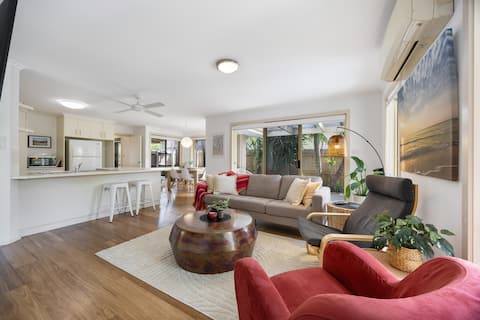
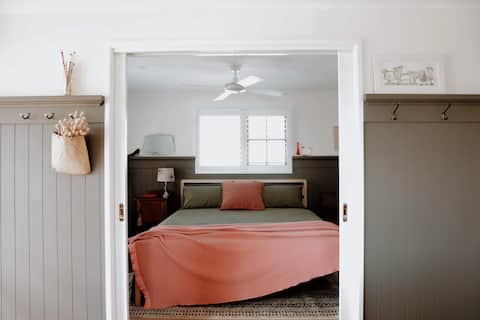
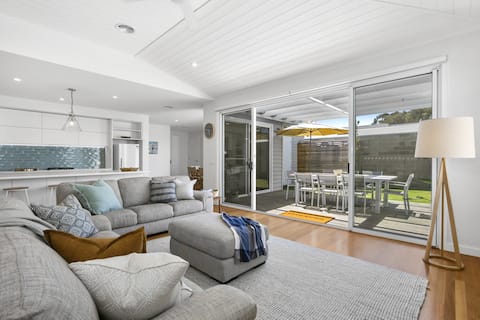
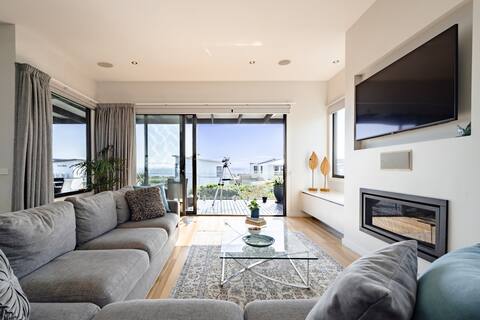
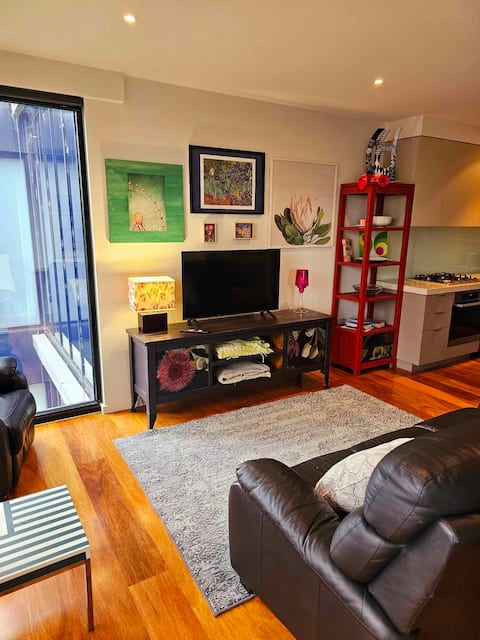
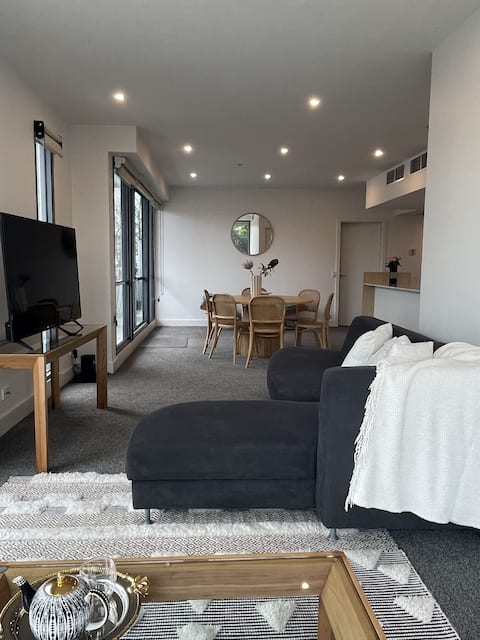
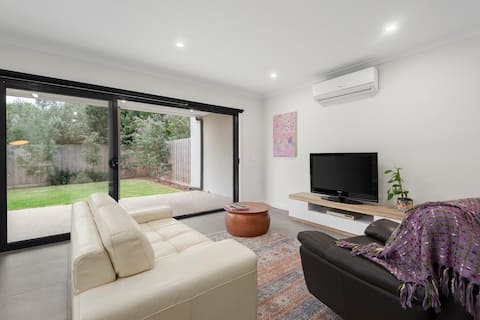
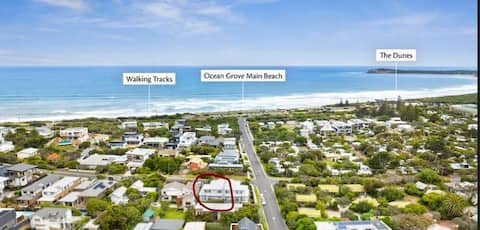
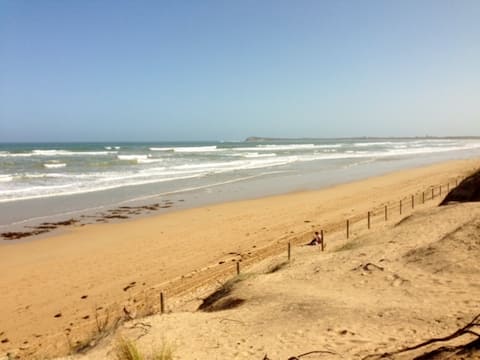
City of Greater Geelong Market Analysis
Geelong Short-Term Rental Market Insights
Geelong is effectively two markets in one council area: an urban waterfront city (CBD, Geelong West, Highton) and a Bellarine Peninsula holiday coast (Ocean Grove, Barwon Heads, Point Lonsdale, Portarlington). Metro-wide averages hide how strong coastal listings can be—and how seasonal they are.
Demand Drivers
Weekend and school-holiday demand dominates the peninsula, with families targeting beaches, the Queenscliff–Sorrento ferry, and coastal golf. The city centre draws AFL crowds, Deakin University semesters, hospital and port-related travel, and Melbourne residents seeking a cheaper waterfront break.
Great Ocean Road tourism adds drive-through and overnight demand, especially in summer. Events and cruise-ship days at nearby ports can lift CBD occupancy briefly.
Seasonality
Summer (December–February) is peak season for Ocean Grove, Barwon Heads, and Point Lonsdale. Urban Geelong holds up better in cooler months thanks to university, healthcare, and Melbourne day-trippers. Winter peninsula occupancy often dips below 40%—investors should model cash flow seasonally, not on annual averages alone.
Investment Outlook
Coastal whole homes reward professional management and standout presentation; urban apartments suit investors targeting steadier mid-week demand. Run a Greater Geelong Planning Scheme check per address before buying—whole-home short-stay may need a permit depending on zone. Budget for Victoria’s 7.5% short-stay levy on non–principal-residence bookings from 1 January 2025.
What Are the Airbnb Regulations in City of Greater Geelong?
Understanding local regulations is crucial for operating a successful Airbnb. Let's examine the compliance landscape and what you need to know about licensing requirements in City of Greater Geelong.
Rules for new hosts
Can a new host open an entire-home rental here?
Yes. No licence is needed.
- August 2024Short Stay Levy Bill 2024 introduced into the Victorian Parliament (Sladen Legal)
- 2025Short Stay Levy (7.5% of booking fee, stays under 28 days) applies; Owners Corporations Act short-stay amendments (Jan 2025) in effect
- TodayNo change scheduled
- August 2024Short Stay Levy Bill 2024 introduced into the Victorian Parliament (Sladen Legal)
- 2025Short Stay Levy (7.5% of booking fee, stays under 28 days) applies; Owners Corporations Act short-stay amendments (Jan 2025) in effect
- TodayNo change scheduled
- Building / HOA
- Bylaws can ban itRegional
- New licences
- AvailableRegional
- Licence
- Not requiredRegional
The City of Greater Geelong has no short-stay local law, registration scheme or night cap: the council's health page says private short-term rentals such as Airbnb holiday houses do not need public-health registration, and its 2024 Neighbourhood Amenity Local Law has no short-stay clause. Victoria's state rules apply (7.5% levy, owners corporation bans), and whether a planning permit is needed for a holiday house depends on the planning scheme, so check with the council before buying.
Last checked October 20, 2026
This is a summary, not legal advice. Check with the local authority before investing.
Registration Numbers on Airbnb
None of the active Airbnb listings we tracked last month display a registration or license number.
This reflects what hosts publish on their Airbnb listings, not the local legal requirements. Always confirm them with local authorities.
Short-term rental accommodation in Geelong is regulated under Victorian state law and the Greater Geelong Planning Scheme. City of Greater Geelong does not operate a separate Airbnb licence or published annual day cap beyond state rules.
Victoria Short-Stay Levy (from 1 January 2025)
- A 7.5% levy applies to booking fees for stays under 28 consecutive days in the same property.
- Booking platforms usually collect and remit the levy; direct bookings require registration with the State Revenue Office.
- The levy does not apply when the property is the owner’s or renter’s principal place of residence (including letting while temporarily away). Exempt hosts must submit a declaration to platforms.
Owners Corporation Rules (Apartments & Strata)
- From 1 January 2025, an owners corporation can pass a 75% special resolution to ban short-stay use of lots—except lots that are the owner-occupier’s principal place of residence.
- See Consumer Affairs Victoria — OC rules to ban short-stay accommodation.
Planning in Greater Geelong
- Whether whole-home short-stay needs a planning permit depends on zone and land use under the Greater Geelong Planning Scheme—outcomes vary between urban, coastal, and rural zones.
- Apply and enquire via City of Greater Geelong planning permits before listing an investment property.
Official Sources
What Should You Charge for Your Airbnb in City of Greater Geelong?
Smart Pricing Tools →Pricing is one of the most critical decisions for Airbnb success. Let's analyze the current pricing landscape and help you understand what rates you can realistically charge.
The current average daily rate in City of Greater Geelong is A$318 per night. However, pricing varies significantly based on property quality and location. Here's what different property tiers typically charge:
Airbnb Pricing Tiers in City of Greater Geelong
Premium(Top 10%) | High-performing(Top 25%) | Average(Median) | Budget(Bottom 25%) |
|---|---|---|---|
| A$494per night | A$349per night | A$236per night | A$112per night |
*Top locations, big properties, premium amenities | *Good property management, highly rated | *Standard market performance | *Basic properties, less desirable locations |
Is It Profitable to Start an Airbnb in City of Greater Geelong?
Investment Analysis →Understanding the profitability potential is crucial for any Airbnb investment decision. Let's analyze the revenue performance and profit margins in the City of Greater Geelong market to help you make informed financial decisions.
Revenue Performance
Profitability Factors
Which Areas in City of Greater Geelong Are Most Profitable for Airbnb?
Explore All Areas →Geelong’s short-term rental performance splits sharply between Bellarine Peninsula holiday towns and inner-city neighbourhoods. Coastal localities often lead on revenue; urban pockets deliver higher occupancy.
Top Performing Areas
Barwon Heads: Surf coast prestige leads the region with A$72,063 average annual revenue; occupancy runs 44% with strong summer peaks.
Ocean Grove: The peninsula’s largest holiday inventory averages A$61,087 in revenue at 46% occupancy—ideal for family beach houses.
Point Lonsdale: Rip-side beaches and lighthouse views support A$66,011 average revenue with 45% occupancy.
Geelong: The CBD and waterfront deliver A$50,643 average revenue at 56% occupancy for apartments near the bay and GMHBA Stadium.
Bellarine Peninsula & Bay Coast
Portarlington: Pier, wineries, and bay swimming drive A$43,898 average revenue at 37% occupancy.
St Leonards: Quiet bay beaches and golf courses yield A$47,750 average revenue with 40% occupancy.
Indented Head: Boutique coastal village appeal achieves A$45,675 average revenue at 36% occupancy on smaller inventory.
Urban & Inner Suburbs
Highton: Hillside family homes near schools and parks generate A$49,560 average revenue with 56% occupancy.
Geelong West: Pakington Street cafés and CBD access support A$43,889 average revenue at 58% occupancy.
Belmont: Shopping and lake precinct demand delivers A$42,188 average revenue with 57% occupancy.
Explore Other Markets in Australia
Airbnb Occupancy Rates in Surfers Paradise, Queensland
Gold Coast City, Australia
2,495 Active Listings