Airbnb Occupancy Rates in Tasmania, Australia(October 2026)
Who should invest: hosts targeting Hobart festival weekends, MONA tourism, and winter food-and-wine travellers.
Who should skip: buyers expecting Queensland-style winter occupancy without a clear niche in Hobart or a national-park gateway like Coles Bay.
Tasmania averages A$61,165 in annual revenue per listing with 61% occupancy and A$273 ADR across 5,005 active listings as of October 2026. The island trades scale for scarcity — ferry logistics and limited winter flights cap sudden supply growth.
Tasmania Airbnb Market Map (October 2026)
Tasmania Market Performance
Australia average: 58% occupancy, A$333 per night.
Airbnb occupancy rates by city in AustraliaPeriod: October 2025 - September 2026
Is Airbnb a Good Investment in Tasmania?
YES — Tasmania suits hosts who want island scarcity, dark-sky and wine tourism, and Hobart’s growing event calendar, with eyes open to winter slowdowns outside premium cabins.
| Market | Avg revenue | Occupancy | Listings |
|---|---|---|---|
| Tasmania | A$61,165 | 61% | 5,005 |
| Hobart | A$69,884 | 68% | 942 |
| Victoria | A$58,777 | 53% | 31,985 |
| South Australia | A$59,086 | 56% | 8,113 |
Hobart dominates short-stay demand; east-coast and wine-country towns add premium ADR when positioned for Freycinet, Bay of Fires, or Tamar Valley weekends.
Get Live Tasmania Market Intelligence
Discover detailed Tasmania Airbnb Analytics and explore real-time market data to make accurate investment decisions.
Explore Real-time Analytics
How Often Will Your Airbnb Be Booked in Tasmania?
View Demand Patterns →Occupancy rates directly impact your revenue potential. Understanding demand patterns helps you set realistic expectations and optimize your availability strategy.
The current average occupancy rate in Tasmania is 61%, meaning properties are booked for about 224 nights per year. However, occupancy varies significantly based on property quality and management. Here's what you can expect:
Airbnb Occupancy Tiers in Tasmania
Premium(Top 10%) | High-performing(Top 25%) | Average(Median) | Low-performing(Bottom 25%) |
|---|---|---|---|
| 93% | 80% | 61% | 37% |
*High desirability & optimized availability | *Good market fit & guest satisfaction | *Standard market performance | *Higher vacancy, optimization needed |
Seasonal Occupancy Patterns in Tasmania
December, February
Highest demand and occupancy rates. Perfect for premium pricing strategies and maximizing revenue. Consider longer minimum stays and higher rates.
September, July
Moderate demand with balanced pricing opportunities. Good for attracting budget-conscious travelers while maintaining reasonable occupancy rates.
August, June
Lower demand requires competitive pricing and creative marketing. Focus on local events, extended stay discounts, and targeting specific traveler segments.
How Much Can You Earn with Airbnb in Tasmania?
Calculate Earnings →One of the most common questions for potential Airbnb hosts in Tasmania is about earning potential. Let's break down the revenue patterns and what you can realistically expect to earn.
Monthly Revenue Trends in Tasmania
Best-in-class Airbnb properties (top 10%) in Tasmania achieve around A$90,818 annually, while strong performers (top 25%) earn at least A$62,570. Typical properties generate about A$39,573 per year, and entry-level listings (bottom 25%) see earnings near A$20,732, often with room for optimization. Keep in mind, these are market averages—your actual earnings can be even higher depending on your property's location, bedrooms, guest capacity, and unique amenities.
Want to see how your listing could perform? Create a free account to unlock personalized analytics and explore exclusive insights in our app!
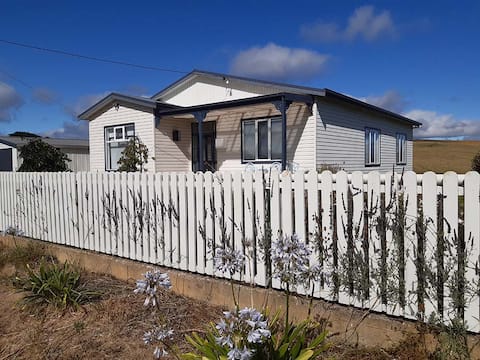
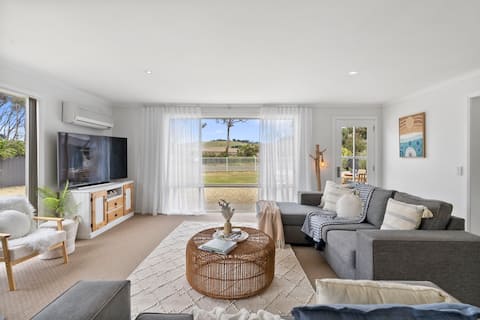
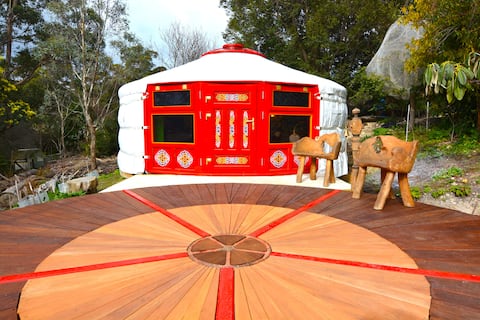
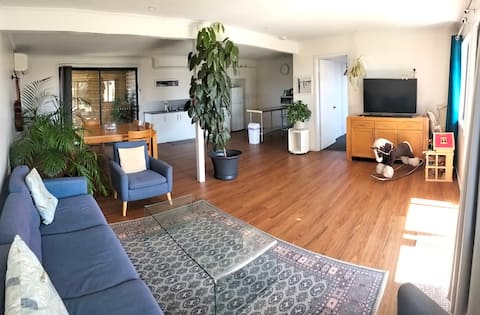
What Can You Learn from Top-Performing Airbnbs in Tasmania?
View Top Performers →Studying successful properties provides valuable insights for your own Airbnb strategy. Here are the top-performing listings in Tasmania and what makes them successful.
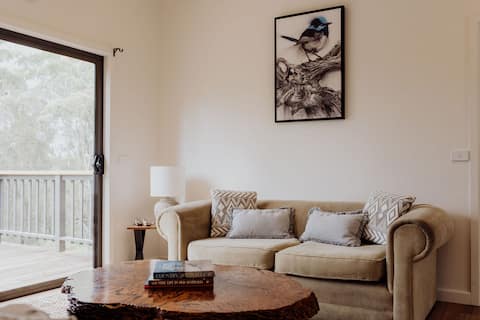
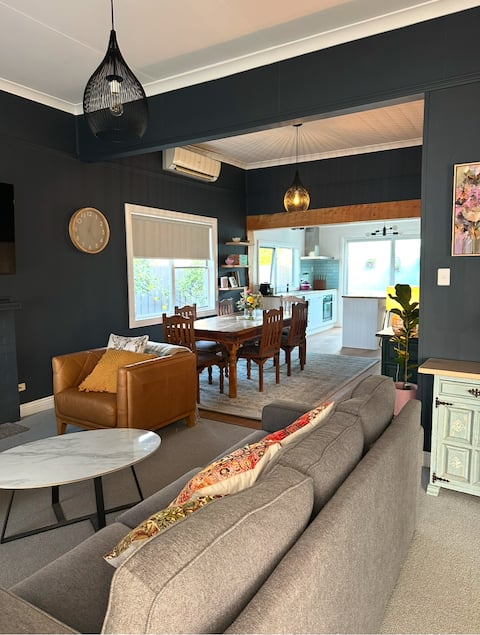
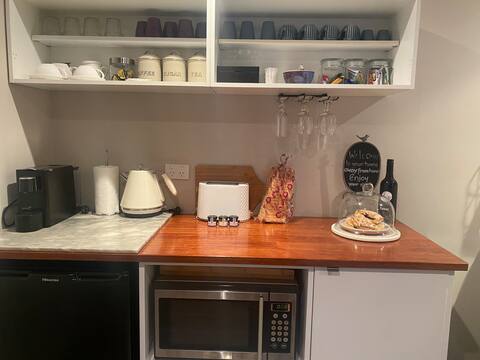
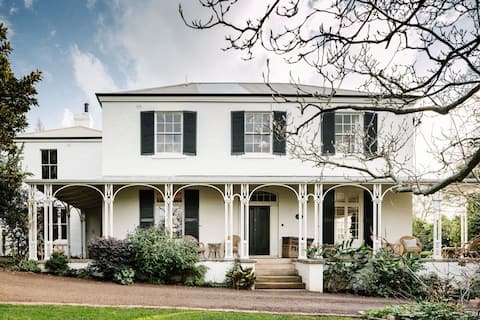
Tasmania Market Analysis
Common assumptions
Investors assume Tasmania is “all Hobart” or treat the whole island as one summer peak — both understate east-coast national-park demand and Huon Valley wine weekends.
What the numbers show
Hobart carries festival and MONA tourism, while Coles Bay and east-coast towns trade on Freycinet access with tighter supply. Launceston adds lower entry prices and Tamar Valley wine routing.
Operational reality
Winter heating costs, ferry delays, and limited tradesperson access matter for remote cabins. Properties with fast Wi-Fi and clear check-in instructions outperform pretty photos with steep driveway surprises.
What Are the Airbnb Regulations in Tasmania?
Understanding local regulations is crucial for operating a successful Airbnb. Let's examine the compliance landscape and what you need to know about licensing requirements in Tasmania.
Registration Numbers on Airbnb
75% of the active Airbnb listings we tracked last month display a registration or license number.
This reflects what hosts publish on their Airbnb listings, not the local legal requirements. Always confirm them with local authorities.
| Requirement | Where to file | Link |
|---|---|---|
| Short-stay registration | Tasmanian Government | Short-stay accommodation |
| Planning & building | Local council | Council planning portal for change-of-use questions |
| Fire safety | Tasmania Fire Service standards | Maintain smoke alarms and egress paths |
| Tax | ATO + State Revenue Office Tasmania | Declare all short-stay income |
Check owners corporation rules in Hobart apartment buildings — some schemes restrict letting below 30 nights.
STRA-style registration and council notification requirements evolve; verify current Tasmanian Government guidance before your first paid guest.
What Should You Charge for Your Airbnb in Tasmania?
Smart Pricing Tools →Pricing is one of the most critical decisions for Airbnb success. Let's analyze the current pricing landscape and help you understand what rates you can realistically charge.
The current average daily rate in Tasmania is A$273 per night. However, pricing varies significantly based on property quality and location. Here's what different property tiers typically charge:
Airbnb Pricing Tiers in Tasmania
Premium(Top 10%) | High-performing(Top 25%) | Average(Median) | Budget(Bottom 25%) |
|---|---|---|---|
| A$427per night | A$312per night | A$226per night | A$164per night |
*Top locations, big properties, premium amenities | *Good property management, highly rated | *Standard market performance | *Basic properties, less desirable locations |
Is It Profitable to Start an Airbnb in Tasmania?
Investment Analysis →Understanding the profitability potential is crucial for any Airbnb investment decision. Let's analyze the revenue performance and profit margins in the Tasmania market to help you make informed financial decisions.
Revenue Performance
Profitability Factors
Which Areas in Tasmania Are Most Profitable for Airbnb?
Explore All Areas →Tasmania’s short-stay demand clusters on Hobart and east-coast gateway towns.
Top performing towns & cities
Hobart: 942 listings at A$69,884 and 68% occupancy — festivals, MONA, and Antarctic gateway tourism.
Coles Bay: 136 listings earning A$87,998 — Freycinet and Wineglass Bay access.
Launceston & Tamar Valley — northern hub for wine and gorge tourism with lower acquisition costs than Battery Point terraces.
East Coast councils — seasonal peaks around summer holidays; shoulder marketing around food festivals and hiking seasons.
Wine & wilderness pockets
Southern Midlands and Huon Valley add cabin stock for couples escapes. Revenue per listing can beat Hobart apartments when hot tubs and views are genuine, not stock-photo promises.
Explore Other Markets in Australia
Airbnb Occupancy Rates in Surfers Paradise, Queensland
Gold Coast City, Australia
2,397 Active Listings