Airbnb Occupancy Rates in Melbourne, Victoria(October 2026)
Short-term rentals across Melbourne generate an average of A$59,689 per year, with a typical occupancy rate of 60% and daily rates averaging A$272. As of October 2026, there were 17,254 active listings on Airbnb across the metropolitan area—from the CBD and inner suburbs to the Mornington Peninsula and Yarra Valley.
Melbourne’s appeal blends world-class events, a deep corporate travel base, and Australia’s largest student population. Investors who pick the right submarket can tap into everything from Australian Open and Grand Prix demand to steady mid-week business stays in Docklands and Southbank.
Melbourne Airbnb Market Map (October 2026)
Melbourne Market Performance
Australia average: 59% occupancy, A$333 per night.
Airbnb occupancy rates by city in AustraliaPeriod: October 2025 - September 2026
Is Airbnb a Good Investment in Melbourne?
YES, Melbourne is a strong short-term rental market for investors who target specific submarkets rather than treating the whole metro as one uniform opportunity.
Melbourne offers Australia’s deepest inventory and most diverse guest segments, but average returns sit below Sydney and the Gold Coast because competition is intense. The edge here is selectivity: inner-city apartments capture events and corporate demand, while peninsula towns like Rye and Sorrento deliver premium nightly rates with a more leisure-driven calendar.
Market Comparison: Melbourne vs. Major Australian Markets
| Market | Avg Revenue | Occupancy | What stands out |
|---|---|---|---|
| Melbourne | A$59,689 | 60% | Largest listing pool in Australia; highly varied submarkets. |
| Sydney | A$82,164 | 68% | Higher average revenue; strong international tourism and corporate demand. |
| Gold Coast City | A$95,525 | 69% | Beach-holiday market with strong ADR and leisure seasonality. |
| Brisbane | A$65,837 | 68% | Growing corporate hub; more affordable entry than Sydney or Melbourne CBD. |
| Perth | A$71,747 | 73% | Resource-sector business travel; fewer listings than east-coast capitals. |
Strategic Advantages
- Event calendar: Australian Open, Formula 1, Melbourne Comedy Festival, AFL finals, and MCEC conferences create predictable demand spikes.
- Corporate & education base: Universities, hospitals, and the CBD finance sector support mid-week bookings beyond pure tourism.
- Submarket depth: 90+ localities with landing-page data let investors specialize—CBD towers, beach houses, or wine-country escapes.
- Regulatory clarity: Victoria-wide levy and owners-corporation rules are defined; City of Melbourne registration caps remain paused.
Get Live Melbourne Market Intelligence
Discover detailed Melbourne Airbnb Analytics and explore real-time market data to make accurate investment decisions.
Explore Real-time Analytics
How Often Will Your Airbnb Be Booked in Melbourne?
View Demand Patterns →Occupancy rates directly impact your revenue potential. Understanding demand patterns helps you set realistic expectations and optimize your availability strategy.
The current average occupancy rate in Melbourne is 60%, meaning properties are booked for about 219 nights per year. However, occupancy varies significantly based on property quality and management. Here's what you can expect:
Airbnb Occupancy Tiers in Melbourne
Premium(Top 10%) | High-performing(Top 25%) | Average(Median) | Low-performing(Bottom 25%) |
|---|---|---|---|
| 97% | 80% | 53% | 16% |
*High desirability & optimized availability | *Good market fit & guest satisfaction | *Standard market performance | *Higher vacancy, optimization needed |
Seasonal Occupancy Patterns in Melbourne
October, January
Highest demand and occupancy rates. Perfect for premium pricing strategies and maximizing revenue. Consider longer minimum stays and higher rates.
May, September
Moderate demand with balanced pricing opportunities. Good for attracting budget-conscious travelers while maintaining reasonable occupancy rates.
April, June
Lower demand requires competitive pricing and creative marketing. Focus on local events, extended stay discounts, and targeting specific traveler segments.
How Much Can You Earn with Airbnb in Melbourne?
Calculate Earnings →One of the most common questions for potential Airbnb hosts in Melbourne is about earning potential. Let's break down the revenue patterns and what you can realistically expect to earn.
Monthly Revenue Trends in Melbourne
Best-in-class Airbnb properties (top 10%) in Melbourne achieve around A$80,566 annually, while strong performers (top 25%) earn at least A$54,078. Typical properties generate about A$30,911 per year, and entry-level listings (bottom 25%) see earnings near A$8,646, often with room for optimization. Keep in mind, these are market averages—your actual earnings can be even higher depending on your property's location, bedrooms, guest capacity, and unique amenities.
Want to see how your listing could perform? Create a free account to unlock personalized analytics and explore exclusive insights in our app!
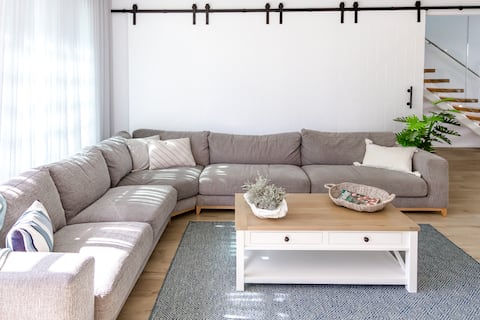
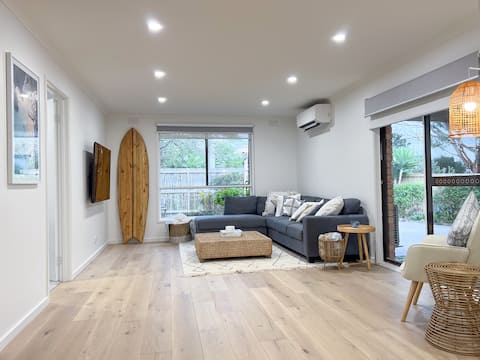
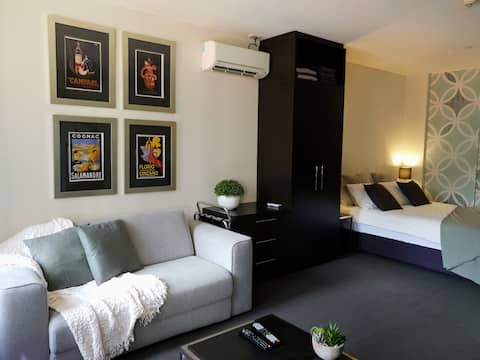
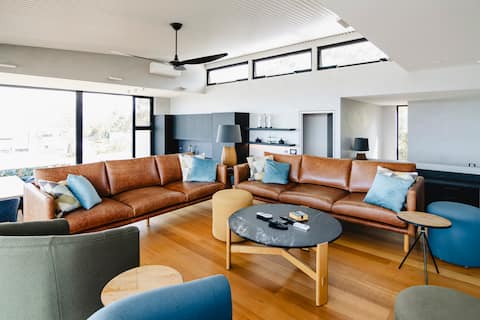
What Can You Learn from Top-Performing Airbnbs in Melbourne?
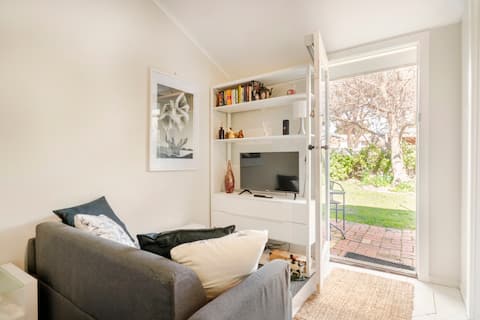
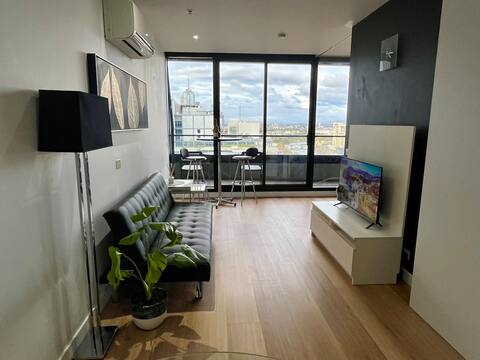
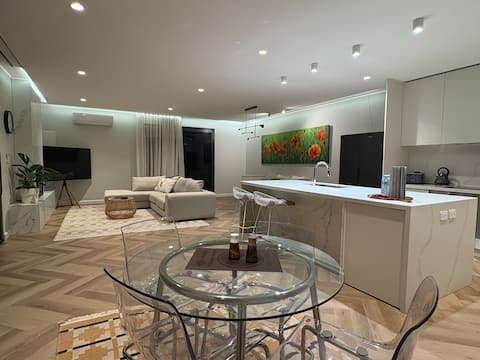
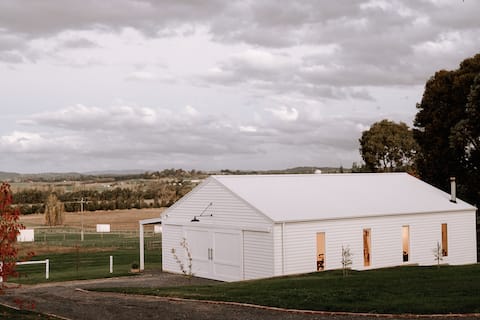
View Top Performers →Studying successful properties provides valuable insights for your own Airbnb strategy. Here are the top-performing listings in Melbourne and what makes them successful.

Melbourne Market Analysis
Melbourne Short-Term Rental Market Insights
Melbourne is not a single Airbnb market—it is a federation of distinct micro-markets. The metropolitan crawling area spans the inner city, middle-ring suburbs, the Mornington Peninsula, the Dandenong Ranges, and Yarra Valley townships. Performance varies far more by postcode than by city-wide averages suggest.
Demand Drivers
Leisure travel peaks in summer and around major sporting and cultural events. The Australian Open (January) and Formula 1 Grand Prix (March) lift occupancy and ADR across Southbank, Docklands, and the CBD. Business demand from professional services, healthcare, and conventions at Melbourne Convention and Exhibition Centre fills weekday gaps that purely coastal markets often miss.
University semesters also sustain mid-term stays in Carlton, Fitzroy, and Brunswick—useful for investors comfortable with slightly lower nightly rates but steadier occupancy.
Seasonality
Summer (December–February) is the peak leisure window, especially for peninsula and bay-side listings. Winter can soften beach-town occupancy, while inner-city apartments often hold up thanks to events and business travel. Easter and school-holiday periods reliably boost family bookings on the Mornington Peninsula.
Investment Outlook
Melbourne rewards investors who match property type to guest type: compact CBD apartments for events and corporate stays; larger homes on the peninsula for family holidays; premium inner-east properties for upscale short breaks. Blanket “buy anywhere in Melbourne” strategies underperform focused submarket selection backed by local data.
What Are the Airbnb Regulations in Melbourne?
Understanding local regulations is crucial for operating a successful Airbnb. Let's examine the compliance landscape and what you need to know about licensing requirements in Melbourne.
Rules for new hosts
Can a new host open an entire-home rental here?
Yes. No licence is needed.
- August 2023City of Melbourne council votes to develop a $350 registration fee and 180-night cap (proposal, not adopted)
- June 2024Press reports City of Melbourne chose not to introduce a short-stay local law, citing the state levy (decision at a June 2024 Future Melbourne Committee meeting)
- TodayNo change scheduled
- August 2023City of Melbourne council votes to develop a $350 registration fee and 180-night cap (proposal, not adopted)
- June 2024Press reports City of Melbourne chose not to introduce a short-stay local law, citing the state levy (decision at a June 2024 Future Melbourne Committee meeting)
- TodayNo change scheduled
- Building / HOA
- Bylaws can ban itRegional
- New licences
- AvailableRegional
- Licence
- Not requiredRegional
The City of Melbourne has no short-stay registration or night cap in force. In August 2023 Council endorsed developing a short-term rental local law, with options such as an annual registration fee (about $350) and a day cap (180) put forward for consultation but not adopted, and on 11 June 2024 the Future Melbourne Committee resolved not to progress it, citing the state 7.5% levy. Council officers estimated about 14 percent of city residential stock (over 4,100 homes) was used for short stays, mostly in the CBD, Docklands, Southbank and Carlton, where apartment owners corporations can ban short stays under the state rules. Other councils inside the wider Melbourne market differ (for example the Mornington Peninsula requires registration), and whether a planning permit is needed depends on the planning scheme, so check with the council before buying.
Last checked October 20, 2026
This is a summary, not legal advice. Check with the local authority before investing.
Registration Numbers on Airbnb
None of the active Airbnb listings we tracked last month display a registration or license number.
This reflects what hosts publish on their Airbnb listings, not the local legal requirements. Always confirm them with local authorities.
Short-term rental rules for properties in Melbourne are primarily set at the Victorian state level. City of Melbourne-specific registration fees and night caps were proposed but paused and are not currently in force.
Victoria Short-Stay Levy (from 1 January 2025)
- A 7.5% levy applies to booking fees for stays under 28 consecutive days in the same property.
- Booking platforms (Airbnb, Stayz, etc.) usually collect and remit the levy; direct bookings require the host to register with the State Revenue Office and lodge returns.
- The levy does not apply when the property is the host’s principal place of residence (including letting part of your home while you live there or are temporarily away). Exempt hosts must submit a declaration to platforms.
Owners Corporation Rules (Apartments & Strata)
- From 1 January 2025, an owners corporation can pass a 75% special resolution to ban short-stay use of lots in the building.
- Lots that are the owner-occupier’s principal place of residence are exempt from such bans.
- Separate unruly-guest laws allow breach notices, VCAT fines, and compensation orders—relevant for CBD, Southbank, and Docklands apartment investors.
Planning & Council
- Whether whole-home short-stay use needs a planning permit depends on zone and land use under the Melbourne Planning Scheme. Whole homes rented while the owner lives elsewhere may face planning scrutiny; resident-hosted stays can qualify under different rules.
- Check planning requirements with the relevant council before purchasing an investment property for short-term rental.
Official Sources
What Should You Charge for Your Airbnb in Melbourne?
Smart Pricing Tools →Pricing is one of the most critical decisions for Airbnb success. Let's analyze the current pricing landscape and help you understand what rates you can realistically charge.
The current average daily rate in Melbourne is A$272 per night. However, pricing varies significantly based on property quality and location. Here's what different property tiers typically charge:
Airbnb Pricing Tiers in Melbourne
Premium(Top 10%) | High-performing(Top 25%) | Average(Median) | Budget(Bottom 25%) |
|---|---|---|---|
| A$479per night | A$298per night | A$198per night | A$101per night |
*Top locations, big properties, premium amenities | *Good property management, highly rated | *Standard market performance | *Basic properties, less desirable locations |
Is It Profitable to Start an Airbnb in Melbourne?
Investment Analysis →Understanding the profitability potential is crucial for any Airbnb investment decision. Let's analyze the revenue performance and profit margins in the Melbourne market to help you make informed financial decisions.
Revenue Performance
Profitability Factors
Which Areas in Melbourne Are Most Profitable for Airbnb?
Explore All Areas →Melbourne’s short-term rental performance is highly localized. Inner-city precincts drive volume and occupancy, while peninsula and bay-side towns often command higher nightly rates for whole-home stays.
Top Performing Areas
Melbourne: The CBD core remains the highest-volume urban market, with A$59,409 average annual revenue and 71% occupancy across thousands of listings—ideal for studio and one-bedroom apartments targeting events and business guests.
Southbank: Arts Precinct and riverfront towers attract tourists year-round, generating A$64,401 in average revenue at 66% occupancy.
Docklands: Convention visitors and waterfront appeal push this precinct to A$63,067 average revenue with 70% occupancy—strong for modern high-rise stock near Etihad Stadium and the CBD fringe.
Fitzroy: Brunswick Street’s dining and nightlife scene supports A$66,242 average revenue and 68% occupancy in a walkable, creative inner-north pocket.
Business & Event Hubs
Collingwood: Proximity to the CBD and Smith Street’s food scene yields A$64,189 average revenue at 70% occupancy—popular with younger travelers and mid-term guests.
Richmond: Sports fans and shoppers targeting Bridge Road and the MCG corridor drive A$55,818 average revenue with 62% occupancy.
St Kilda: Beach, Luna Park, and live music sustain A$49,180 average revenue at 67% occupancy—a classic leisure suburb with consistent weekend demand.
Peninsula & Coastal Getaways
Rye: One of the peninsula’s busiest holiday towns, with A$73,540 average revenue and 43% occupancy across a large inventory of beach houses.
Sorrento: Upscale bay-side holidays command A$104,530 average revenue; occupancy runs 44% with strong summer peaks.
Blairgowrie: Family-friendly beaches and golf courses support A$80,401 average revenue at 42% occupancy for larger whole-home listings.
Luxury & Premium Districts
Toorak: Melbourne’s prestige address achieves A$73,390 average revenue with 67% occupancy—smaller inventory but high ADR potential.
Brighton: Bayside elegance and beach boxes attract premium guests, generating A$78,158 average revenue at 63% occupancy.
Albert Park: Grand Prix season and lake-side living combine for A$76,324 average revenue and 63% occupancy—event-driven spikes are a key advantage here.
Explore Other Markets in Australia
Airbnb Occupancy Rates in Surfers Paradise, Queensland
Gold Coast City, Australia
2,491 Active Listings
Airbnb Occupancy Rates in Byron Bay, New South Wales
Byron Shire Council, Australia
876 Active Listings